
Dubai:"False negative" is a term that's been in the news lately. In Dubai, health authorities have cracked down on the use of "rapid antibody tests" for COVID-19 due to the high rate of false negatives which the tests yield.
A false negative simply means you test negative even if you actually have it. It means then that some of the tests on the market are not worth anything. One brand bought by an Indian government agency from a Chinese manufacturer was found to 145% overpriced — it was originally sold for $3 apiece, despite its being unreliable.
It's no surpise that the fuzzy record of such "rapid antibody test" kits has created confusion among frontliners and patients. One undesirable result is that it could actually lead to spike in virus transmission, say experts.
The WHO, which conducted a review of such tests, said when rapid antibody tests produce too many false negative and false positive results, it renders them useless.
In the US, the Food and Drug Administration (FDA) had also cracked the whip on test makers as independent evaluations of their products’ performance show a need for improvement.
Rapid antibody test kit: What is it?
It's pregnancy-style rapid anti-body testing kit. It uses blood samples of a patient (also known as "serology") to detect the presence of antibodies in general.
In theory, it allows health professionals to know whether or not you have developed immuno response to the virus. Knowing this allows them to respond properly, allowing them to better understand the transmission, characteristics and knowing how many individuals have actually been infected versus those who may have not developed symptoms.
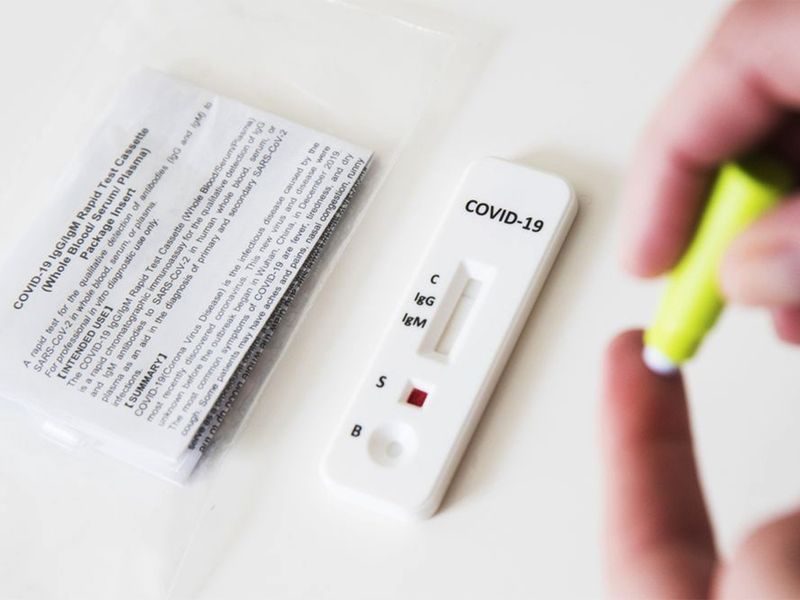
Also in theory, those who are confirmed to have developed antibodies for SAR-CoV-2, may be good candidates to donate blood plasma which can then be given to sick individuals suffering from COVID-19.
But in practice, it's a different story.
What happened before with such rapid antibody tests?
In general, its use can be indicative of an immune system being developed. Experts have seen that using the rapid antibody test to detect SARS (which appeared on 2002-03), protective immunity was present in those who recovered for about two years, according to Elitza Theel, director of Mayo Clinic's Infectious Disease Serology Laboratory.
She also cited studies done in monkeys showing they have at least short-term immunity of one month after recovery from sARS-CoV-2.
She cited, however, since the new virus has appeared only recently, there's a dearth of scientific data on long-term immunity to it. She further added that there's still no evidence to conclude on the effectiveness of serology test, or rapid antibody test, especially on the question of effective duration of immunity from SARS-CoV-2 reinfection.
What is a false positive?
In short, it's the reverse of a false negative.
Moreover, it may also show a person to have the antibodies — thus potentially also immunity — and they don't, explained Prof. Emily Troemel, of UC San Diego Division of Biological Sciences.
With test kits available in the global market, which didn't go through the rigors of evaluation by regulators, and their lack of specificity for the novel coronavirus, a patient may be test positive, when the antibody detected in their blood was kicked up as a result of the presence of another pathogen, not SARS-CoV-2.
Post a Comment
If you have any doubt please let m know.